Author: pankaj

  • Healthy Food, Healthy Life: The Benefits of Eating Nutritious Food

    Introduction :-

    In today’s fast-paced world, many people prefer fast food and processed meals because they are quick and convenient. However, eating healthy food is one of the most important habits for maintaining a strong body and a sharp mind. Healthy food provides essential nutrients, vitamins, and energy that help our body function properly.

    A healthy diet does not only improve physical health but also boosts mental well-being and increases energy levels. Developing the habit of eating nutritious food can lead to a happier and more productive life.


    What is Healthy Food?

    Healthy food refers to foods that provide essential nutrients needed by the body to stay healthy, active, and strong.
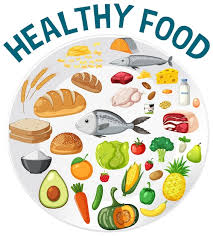

    Benefits of Eating Healthy Food

    1. Improves Physical Health

    Eating healthy food strengthens the body and helps prevent many diseases. It keeps the heart, bones, and muscles strong.

    2. Boosts Energy Levels

    Nutritious food provides the energy needed for daily activities like studying, working, and exercising.

    3. Supports Brain Function

    Healthy foods improve concentration, memory, and learning ability, which is especially important for students.

    4. Strengthens the Immune System

    A balanced diet helps the body fight infections and illnesses more effectively.

    5. Maintains a Healthy Weight

    Eating balanced meals with proper nutrients helps control weight and prevents obesity.
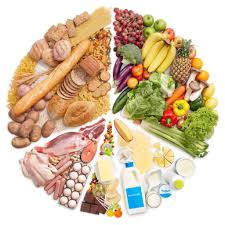

    Simple Tips for Healthy Eating

    Conclusion

    In conclusion, eating healthy food is essential for living a healthy and active life. It helps improve physical strength, mental focus, and overall well-being. By choosing nutritious foods and maintaining a balanced diet, we can protect our health and build a better future. Therefore, everyone should make healthy eating a daily habit.

    • health
    • food
    • media
    • apps

    “take care of your body because it is the only place you have to live “
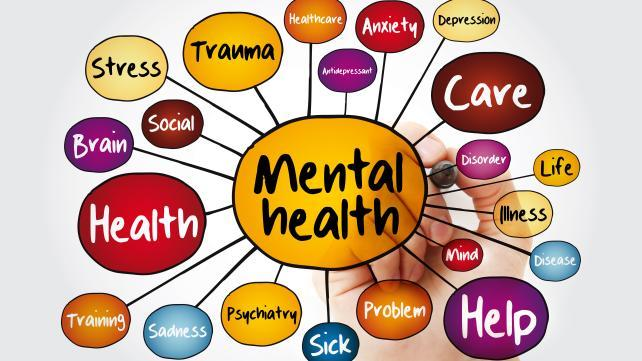
    Pages: 1 2

  • The Importance of Mental Health πŸ§ πŸ’™

    Introduction :-

    Mental health is just as important as physical health. It affects how we think, feel, and act in daily life. Maintaining good mental health helps us:

    What is Mental Health?

    Mental health refers to our emotional, psychological, and social well-being. It affects how we:

    Tip: Mental health is not just the absence of mental illness. It also means having the ability to enjoy life and cope with challenges positively.


    Why Mental Health is Important :-

    1. Boosts Emotional Well-being 😊

    Good mental health allows you to:

    2. Enhances Productivity πŸ’Ό

    A healthy mind helps you:

    3. Strengthens Relationships ❀️

    When you feel mentally well, you can:

    4. Helps Manage Stress 🌿

    Proper mental health practices help you:

    5. Promotes Physical Health πŸ‹οΈβ€β™‚οΈ

    Mental and physical health are connected:


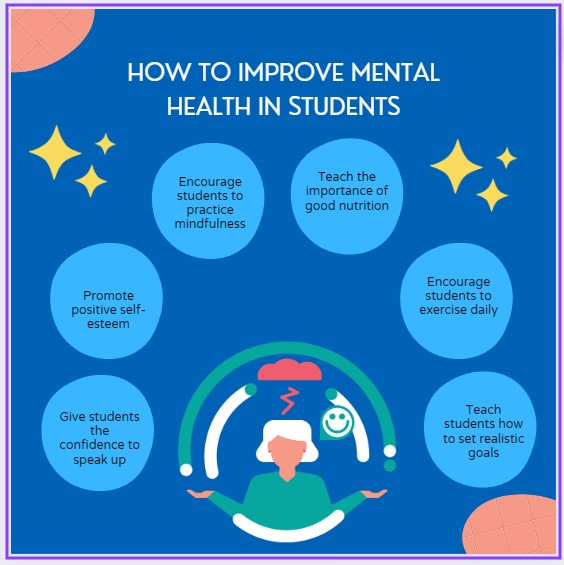
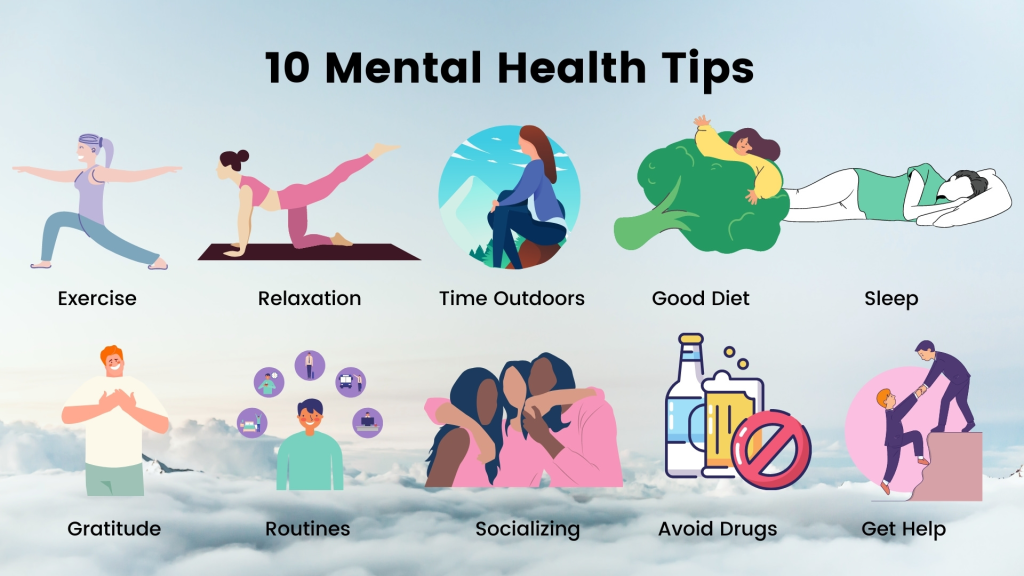
    Tips to Maintain Good Mental Health βœ…


    Interesting Facts About Mental Health πŸ’‘


    Conclusion

  • The Importance of Time Management ⏰

    Introduction :-

    Time is one of the most valuable resources in our life. Once time is gone, it can never be brought back. That is why time management is very important for students, professionals, and everyone in daily life. Time management means planning and organizing how to use our time effectively to complete tasks and achieve goals.


    What is Time Management?

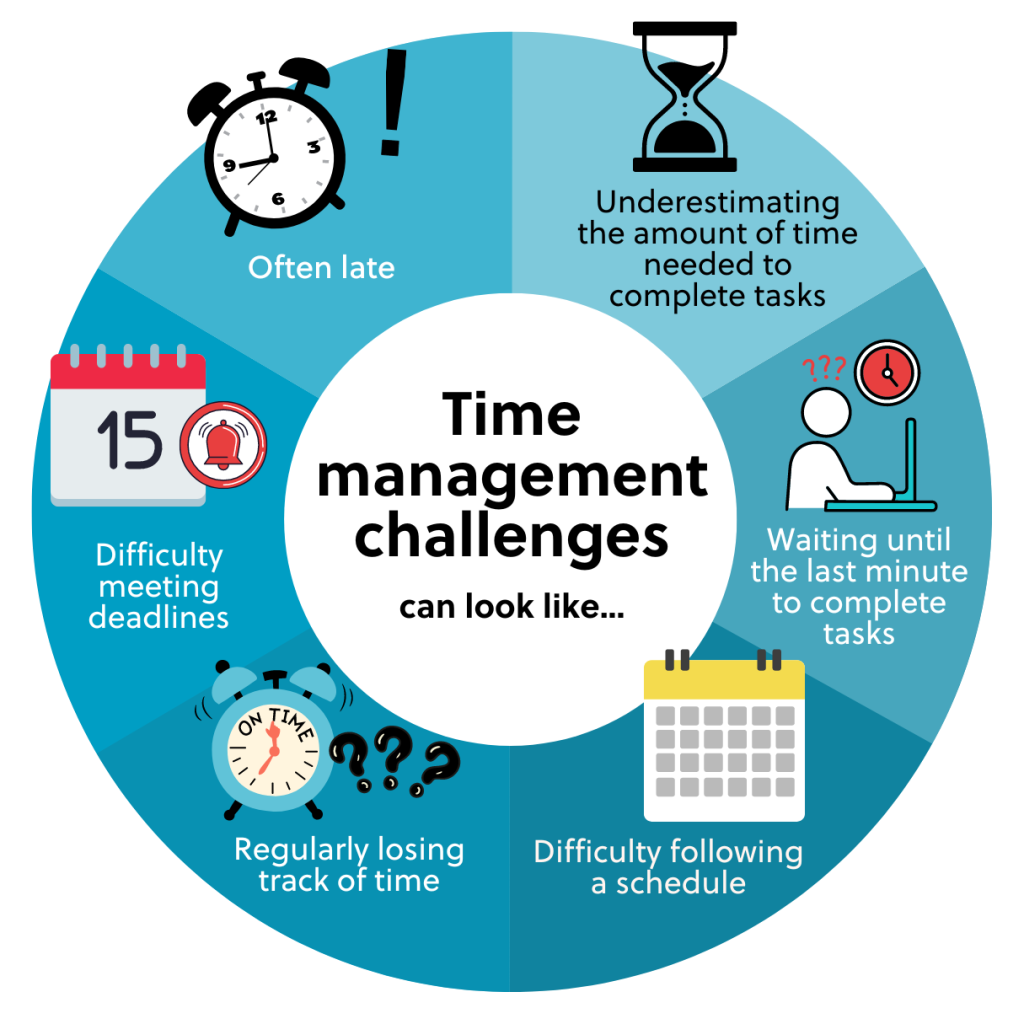
    Time management is the process of planning and controlling how much time we spend on different activities. Good time management helps people:


    Benefits of Time Management :-

    1. Improves Productivity

    When people manage their time properly, they can complete more work in less time. It helps them stay focused, organized, and productive.

    2. Reduces Stress

    Poor time management often leads to pressure and stress. When tasks are planned in advance, people feel more relaxed and confident.

    3. Helps Achieve Goals

    Time management helps individuals set priorities and work toward their goals step by step.

    4. Creates Better Work-Life Balance

    When time is managed properly, people can balance:

    5. Builds Discipline

    Practicing time management regularly helps people become more disciplined, responsible, and organized.

    6. Helps in Decision Making

    Good time management allows people to think clearly and make better decisions. When you allocate time properly, you can analyze situations calmly instead of rushing.


    7. Encourages Personal Growth

    Managing time effectively gives you space to learn new skills, read books, or pursue hobbies, which helps in personal development.


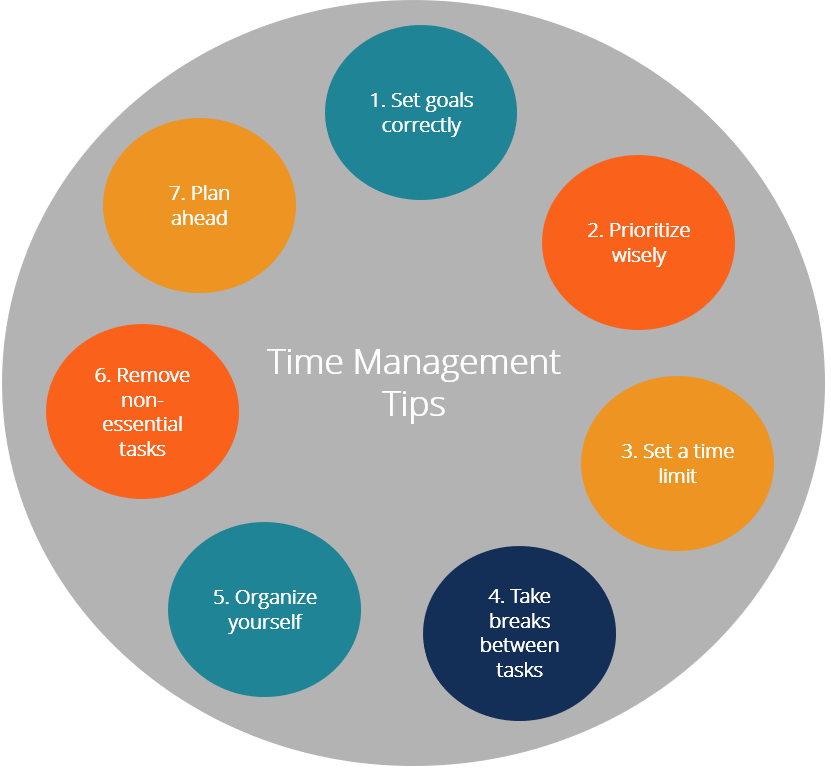
    Tips for Better Time Management


    Conclusion

    In conclusion, time management is the key to success in both personal and professional life. It not only helps us stay organized and complete tasks efficiently, but also reduces stress, boosts productivity, and improves focus. By managing time wisely, we can achieve our goals, maintain a healthy work-life balance, and create opportunities for personal growth.

  • Important Of Education

    Why Education Is Important In Our Life πŸ“š

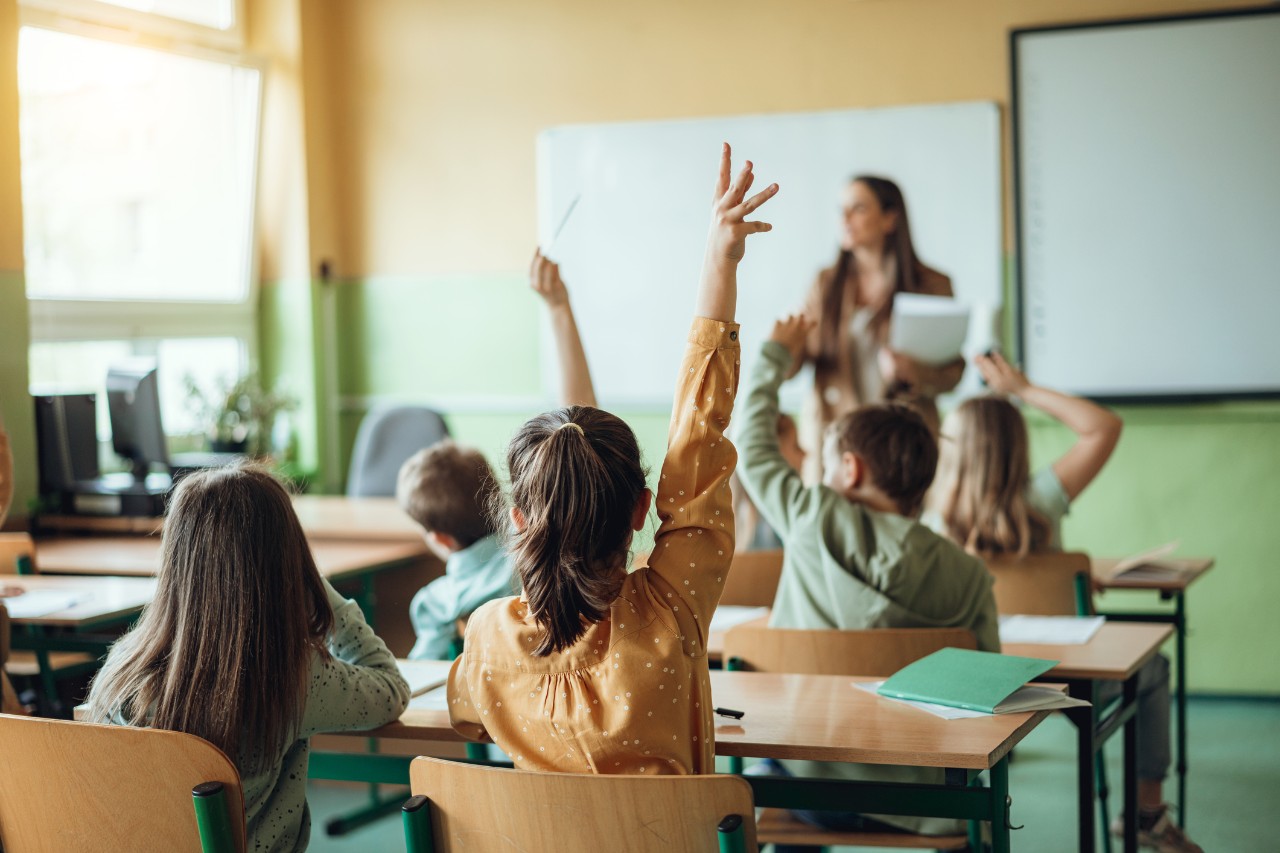
    https://www.uc.edu/content/dam/uc/news/cech/teachers-with-students.jpg/_jcr_content/renditions/cq5dam.web.1280.1280.jpeg

    Introduction

    Education is one of the most powerful tools that can change a person’s life. It helps people gain knowledge, develop skills, and understand the world around them. Education is not only about reading books or passing exams; it is about learning how to think, solve problems, and make better decisions in life.

    In today’s modern world, education plays a very important role in personal growth, career development, and the progress of society.

    Benefits of Education

    1. Education Builds Knowledge and Skills


    2. Education Creates Better Career Opportunities

    One of the biggest benefits of education is that it opens the door to many career opportunities. Educated people can choose from different professions such as doctors, engineers, teachers, scientists, or entrepreneurs.

    Higher education and skills often help people get better jobs and improve their standard of living.


    3. Education Develops Confidence

    Education builds confidence and helps people express their ideas clearly. When students learn new things and achieve their goals, they become more confident in their abilities.

    Confidence is important because it helps individuals face challenges and work towards success in life.


    4. Education Helps Society Grow

    Education is not only important for individuals but also for society. An educated society is more developed, innovative, and progressive.

    Educated people contribute to the growth of their country by working in different sectors such as technology, healthcare, business, and research.


    5. Education Teaches Values and Responsibility

    Education also teaches moral values like honesty, discipline, respect, and responsibility. These values help people become good citizens and contribute positively to their communities.

    Students also learn how to respect different cultures and ideas while working together with others.

    6. Education Reduces Poverty

    Education helps people get better jobs and earn a good income. When people are educated, they can support their families and live a better life. It also helps reduce poverty in society.


    7. Education Improves Communication

    Education teaches people how to speak, write, and express their ideas clearly. Good communication skills help people in school, jobs, and relationships.

    Conclusion

    In conclusion, education is very important for everyone. It helps people gain knowledge, develop skills, and achieve their goals in life. Education also helps build confidence, improve career opportunities, and create a better society. An educated person can make good decisions and contribute positively to the country. Therefore, education is the key to success and a brighter future for individuals and society. πŸ“šβœ¨